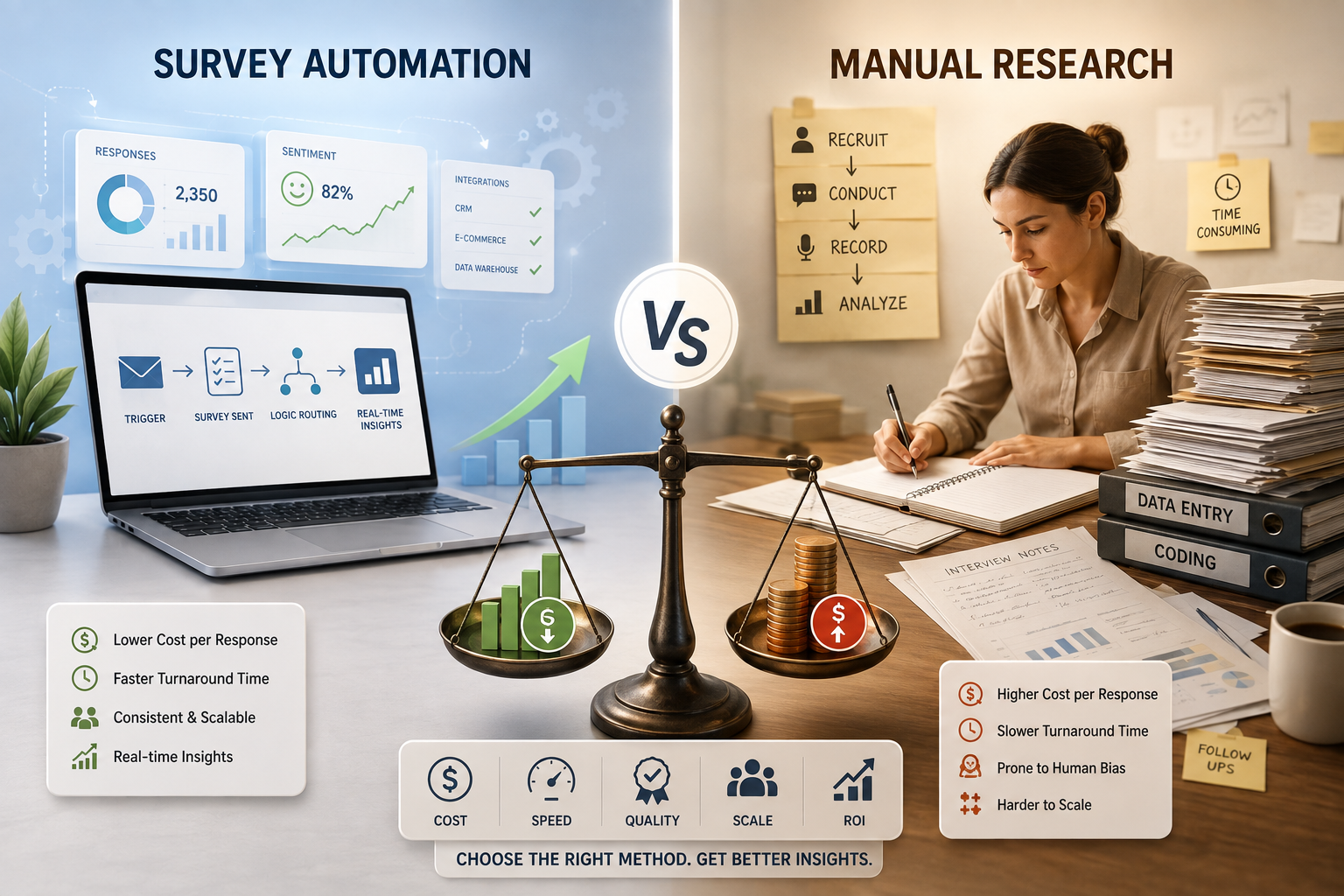
Most new businesses collapse even when run well simply because what they offer lacks real demand. Speedy progress on building a product usually comes at the cost of checking if people actually want it first. Without testing interest early, teams walk blind into costly mistakes. A market research tool reduced uncertainty by revealing truths ahead of big commitments. Learning who cares about your idea protects effort and money both.
Startup Errors before Going Live
Wrong guesses about need happen often. People starting things might trust their gut, hear nice words from pals, or see quick poll results instead of real data. This creates bias. It's also frequent to miss the mark on who really needs it. The fix could work, just not for the group they’re chasing. Pricing errors happen a lot. When firms ignore what rivals charge or how much buyers will spend, they set prices too low, then profit vanishes, or too high, then interest fades. Mixed messages pop up just as often. If a team doesnt grasp exactly where customers struggle, their words blur, failing to show real benefit.
Data Driven Decisions Matter
Guesses fade when numbers show up. Founders who follow a clear path in studying markets tend to see what buyers really want, how rivals act, others choices too. Rather than rushing something out and crossing fingers, new ventures test if their idea fits real needs right away.
Here is how market data helps figure things out
Market data answers critical questions: Is there real demand? Who is the ideal customer? What are competitors offering? What price range is acceptable? What features matter most? When decisions are based on real insights, product positioning becomes stronger. Marketing costs reduce because targeting improves. Investor conversations also become more confident when backed by data.
How MerkMetryx Helps Validate Ideas
MerkMetryx provides startups with structured research tools to test concepts before launch. Founders can analyze market size, competitor gaps, customer feedback patterns, and demand signals. Instead of guessing, entrepreneurs get measurable insights that guide product development. MerkMetryx helps identify trends, understand customer sentiment, and evaluate market readiness. This approach supports better strategy planning and reduces the risk of building the wrong product.
Real Examples of Failed vs Researched Launches
History shows clear differences between researched and non researched launches. Many tech startups built complex apps without validating user demand and shut down within months. On the other hand, successful startups often test prototypes, run surveys, and study competitors before scaling. For example, several early ecommerce brands failed because they ignored shipping expectations and pricing research. In contrast, researched direct to consumer brands studied customer buying patterns before launch and adjusted logistics accordingly.
Conclusion
Launching a product without research increases risk. Early stage founders benefit from using a market research tool to validate ideas, refine targeting, and improve pricing strategy. MerkMetryx supports startups by turning assumptions into data backed decisions. A strong launch begins with clear insights, not guesswork.